

We Need to Stop Dismissing Abuse. A crime is a crime. Harm doesn’t become acceptable just because it could have been worse.
In 2025, the media was full of stories about sexual misconduct, from the DoorDash sexual assault case to the Blake Lively sexual harassment allegations, and countless others. Within our own industry, reports surfaced about agents sexually assaulting and harassing women under contract.
What has disturbed me most is not just the incidents themselves, but how quickly people dismiss them.
Just today, I read a comment that said, “What’s the big deal? It’s not like he actually raped her.” The implication was clear: if it isn’t rape, it doesn’t really count.
That mindset is dangerous.
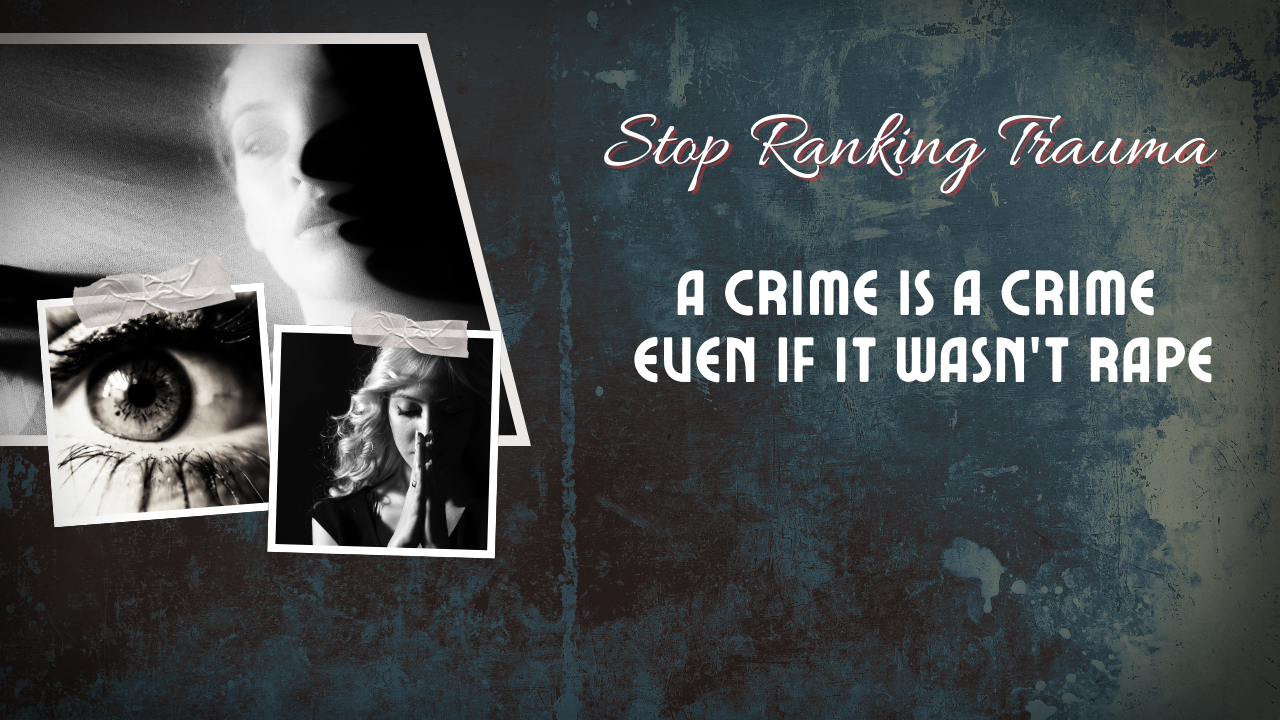
Sexual harassment and sexual assault are not lesser offenses that exist in rape’s shadow. They are violations in their own right. They are crimes. They are harm. And the people who experience them are victims — full stop.
I’ve heard multiple versions of the same argument: that someone isn’t a “real victim” unless rape occurred. That rape is the only crime that truly matters. Each time I hear it, I’m stunned. And each time it reinforces how badly we need clarity.
These terms are related, but they are not interchangeable. Understanding the differences matters because boundaries matter.
- Sexual harassment is unwanted sexual behavior that creates discomfort, intimidation, or fear. It can include sexual comments, unwanted advances, explicit messages, requests for sexual favors, or creating a sexualized environment. Harassment doesn’t require physical assault to cause harm — pressure and intimidation alone can damage a person’s safety and well-being.
- Sexual assault is any unwanted sexual contact without consent. Groping, forced kissing, coercion, and attempted rape all fall under assault. Penetration is not required for an act to be a serious violation of someone’s body.
- Rape is a specific and severe form of sexual assault involving non-consensual penetration. It is one of the most extreme expressions of the same underlying violation: ignoring a person’s autonomy.
All three acts are rooted in the same issue: the denial of consent.
Every person has the right to control their own body. When that right is ignored, it is not a minor mistake or a misunderstanding. It is an abuse of power and a breach of human dignity.
These crimes cause real psychological harm. Even harassment, which some people trivialize, can leave lasting fear, anxiety, and trauma. Dismissing that harm doesn’t make it disappear. It only isolates victims further.
We should not rank suffering or debate which violations “count.” The moment we start measuring trauma against a scale, we create a culture where people feel pressured to prove their pain before they’re believed.
Sexual behavior is ethical only when it is mutual, consensual, and respectful. Anything else is exploitation.
Every victim deserves to be taken seriously. Every violation deserves accountability. And every one of us has a responsibility to stop minimizing abuse simply because it doesn’t fit the most extreme example we can imagine.
Stop minimizing abuse. Harm doesn’t need to meet your personal threshold to be real. When we dismiss victims, we become part of the problem. Abuse is abuse in every form. The moment we start deciding which victims “count,” we stop protecting people and start protecting harm.
The question isn’t whether the abuse was “bad enough.” The question is whether we’re willing to take harm seriously — every time. Every violation deserves recognition. Every victim deserves respect. Minimizing abuse doesn’t make us rational; it makes us complicit.




You must be logged in to post a comment.