
Adult content creator Jadynn Stone has accused fellow creator GibbyClown of refusing to complete paperwork and identity verification after they filmed a collaboration.
The dispute concerns more than an upload requirement: federal law places age verification and recordkeeping obligations on producers of covered sexually explicit content, regardless of what a platform permits.
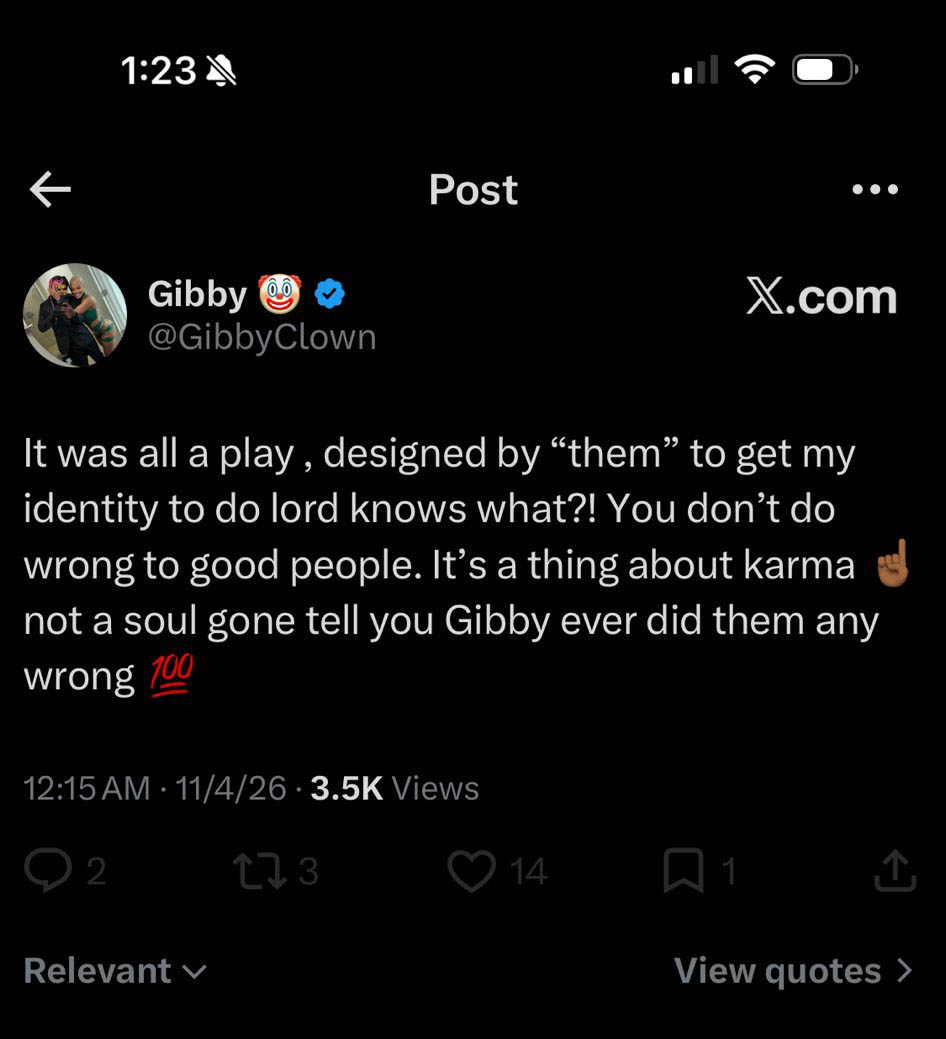
Jadynn Stone (@JadynnStone) said Gibby had not disclosed before filming that he would refuse paperwork or share identification. Screenshots from their subsequent conversation show a message attributed to him declining the requested verification services while proposing they proceed with publishing the scene on different schedules.
A Verification Request and a Proposed Release Schedule
Jadynn Stone described the disagreement in a post directed at GibbyClown (@GibbyClown).
“Not being willing to fill out any type of paperwork, not being willing to verify your identity, AND not disclosing that you will NOT do paperwork or share IDs until AFTER shooting is ridiculous and absurd,” she wrote.
One screenshot shows an outgoing message containing links to verification services, including a Fansly consent and verification page. The sender explains that the recipient can submit information directly, allowing the process to proceed without the sender personally viewing it.
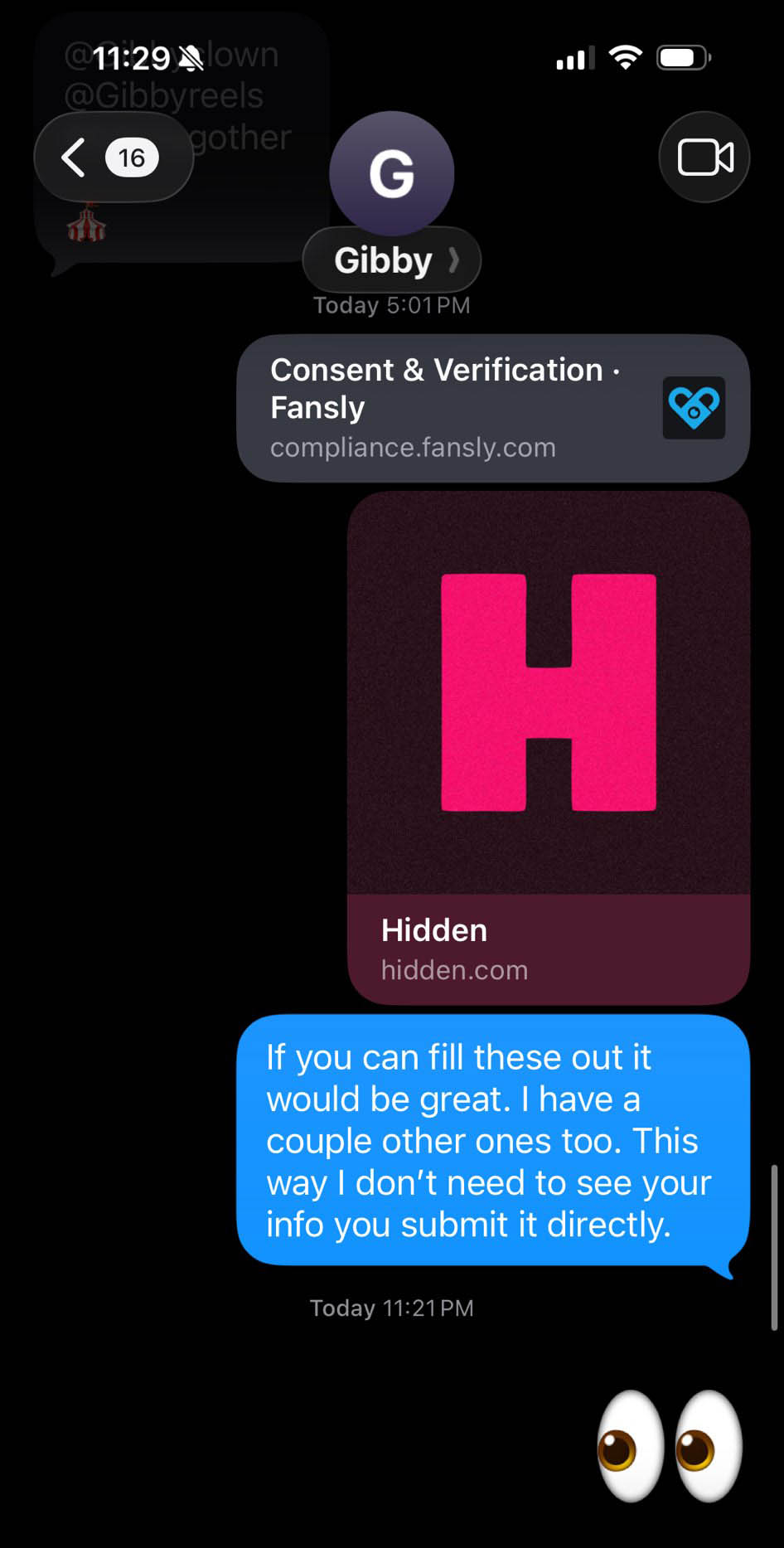
In the response attributed to Gibby, he writes that he is “going to hold off on moving forward with the verification sites you requested.” He refers to concerns discussed in person, but the screenshot does not explain those concerns.
He then proposes giving Stone the first week to make the content available before uploading it himself to platforms including ManyVids and OnlyFans. The message describes the arrangement as an opportunity for her to receive initial payouts while a promotional trailer circulates.
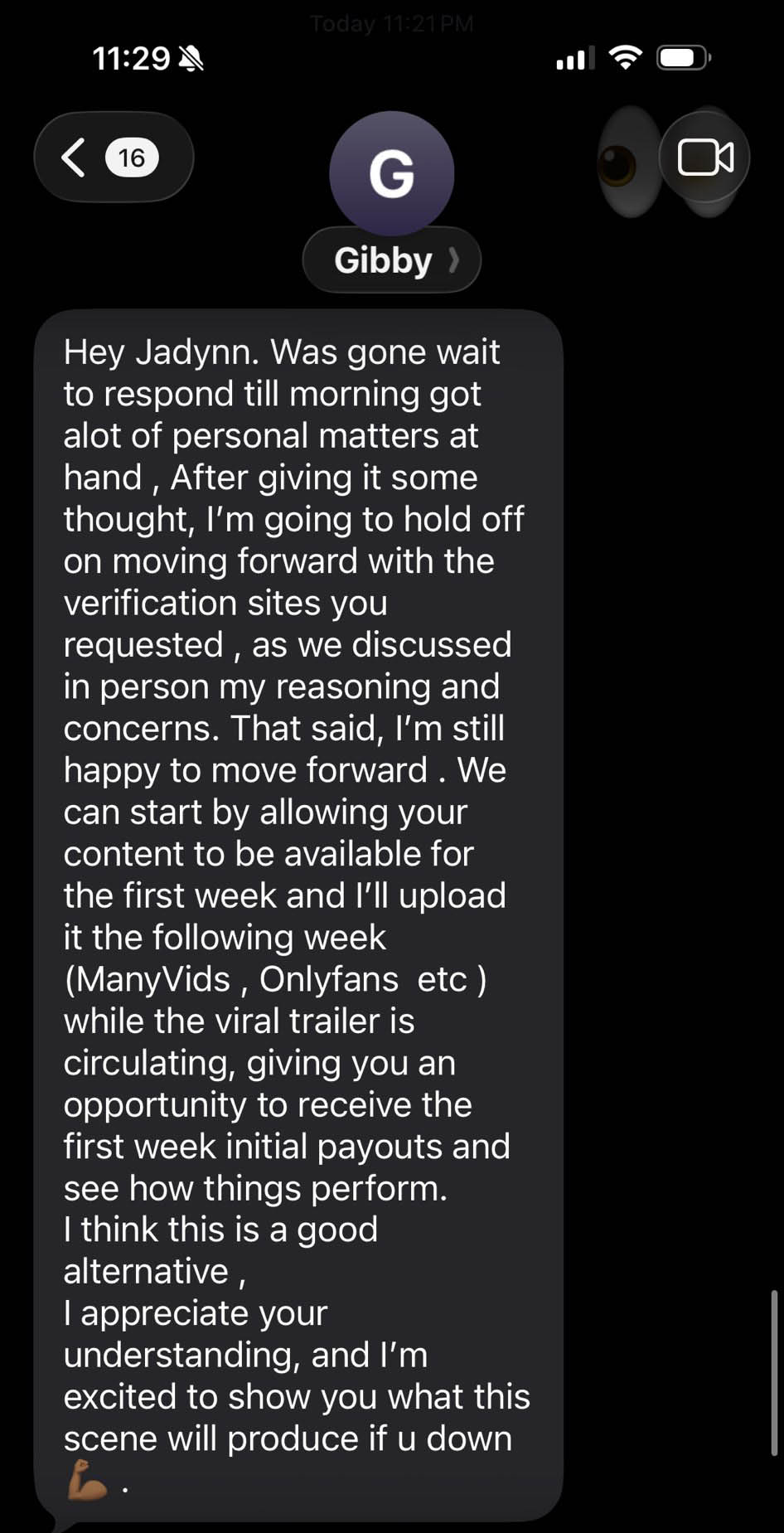
That proposal addresses publication timing and revenue, but it does not explain how she would complete the requested documentation. Stone’s separate posts question why platforms would allow material to be published without paperwork and describe her objection as a documentation issue.
The screenshots also show outgoing messages saying, “I’ll just drop it now then,” and, “Or I’ll just tag someone else.” Whatever their intended meaning, publishing a scene or attaching another person’s account would not resolve missing records identifying the actual performer.
Federal Requirements Begin Before Production
Section 2257 of Title 18 of the U.S. Code requires producers of covered depictions of actual sexually explicit conduct to create and maintain individually identifiable records for every performer depicted. The statute requires producers to establish performers’ names and dates of birth through identification documents and obtain other names they have used, including professional names and aliases.
The federal regulations require examination of picture identification before production. The identification must meet the regulatory definition and be valid on the original production date, making verification a production requirement rather than a pre-upload administrative step.
Performers in sexually explicit adult productions must be at least 18. Federal law defines a minor as someone younger than 18, and a person’s agreement to participate cannot substitute for establishing their age.
Required records include a copy of identification and information connecting each performer to the material, including the original production date and the depiction’s online location or identifier. And then you have to keep a copy of those records. As long as that content exists, you must keep the paperwork associated with it.
I have content from nearly 30 years ago, and yes, that means I have to keep all the paperwork that goes with it. Sounds crazy, I know, but it’s the law.
A Mask Does Not Establish Identity
Gibby The Clown’s public persona incorporates clown and circus imagery, and he covers his face with a clown mask. A concealed face does not exempt a production from requirements that otherwise apply to a covered production.
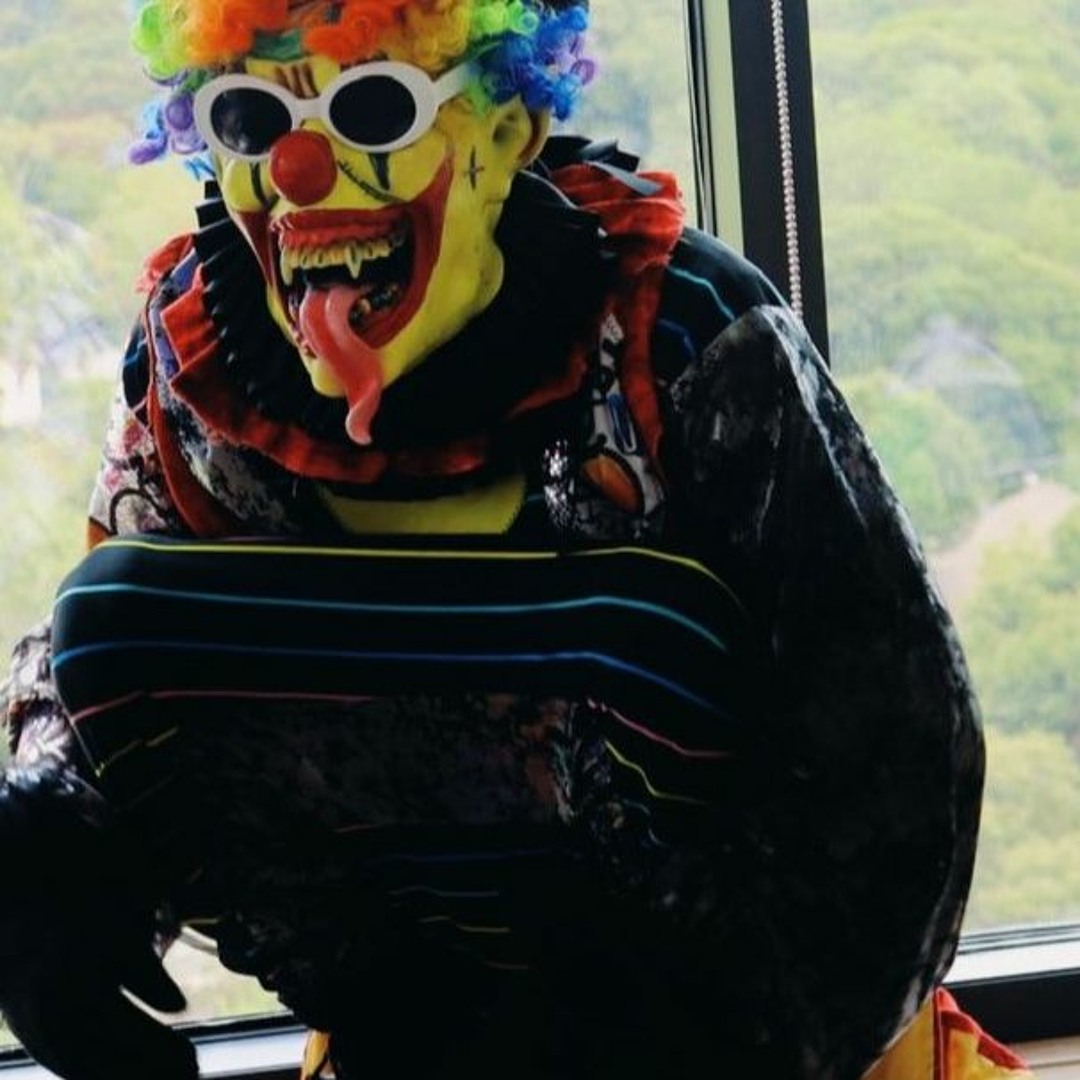
A performer can maintain a masked public identity while providing qualifying identification through a secure compliance process. What viewers see on camera and what a producer must establish about the person performing are separate matters.
The same distinction applies to stage names and established social media accounts. A recognizable persona may tell an audience whose content it is watching, but it does not establish that the producer has examined identification or maintains the required records.
In other words, it doesn’t matter what you do on camera; off camera, you have to stay compliant with the law. NO EXCEPTIONS.
Model Releases and Age Records Serve Different Purposes
The dispute has also involved references to model releases, which are often collected alongside age verification documents. Section 2257 does not itself prescribe a signed model release, and treating the two as interchangeable obscures what each document establishes.
But the truth is, they aren’t the same. A model release deals with civil issues. Party one assigns party two certain rights with the signing of the release. But the 2257 part, that’s criminal if you aren’t in compliance. One can get you sued; one can land you in jail.
A release generally records agreed permissions for recording and using a person’s likeness or performance. Its wording, applicable law, and platform requirements can affect what content may be distributed and on what terms.
An identification copy does not, by itself, establish permission to sell a scene. A release likewise does not replace the age and identity records required for a covered production.
Requests to stop selling or remove material raise further questions about consent, contractual rights, platform rules, and applicable law. Section 2257 does not independently resolve those disputes, and the supplied exchange does not establish the parties’ complete agreement.
An Account Tag Cannot Replace Required Records
A platform like OnlyFans and Fansly may use account tagging as part of its process for identifying collaborators. The tag alone, however, does not demonstrate that a producer has fulfilled federal recordkeeping obligations, and platform approval cannot waive applicable state or federal law.
In other words, your content makes it YOUR legal responsibility. It doesn’t matter what the platform does or doesn’t do. What matters is that you comply with the law.
Sure, you also have to comply with the platform requirements if you want to use their platform to make money with the content, but when it comes to the law, you have to comply.
For this collaboration with Gibby the Clown, Jadynn Stone is in a sticky situation. She has a piece of content with no model release and no proof that the other person in the video is over 18 (as required by law).
This is a hard-learned lesson for an inexperienced content creator, but also a reminder for every content creator to get their paperwork done PRIOR to shooting the scene.
The law is the law. It doesn’t matter what the platform says. You still must comply with the law.
Is a single scene really worth going to jail over?
Please don’t risk it. Please always get your paperwork signed in advance. Need the paperwork? You can get it for free here.
If you learn nothing else from my long ramblings about this subject, remember this one thing: tagging a performer on a platform isn’t enough to comply with the law. Always sign a model release and get a copy of their ID.
Disclaimer: I am not a lawyer. Nothing I say should be considered legal advice. If you have questions about federal regulations, age verification, or anything about the law, you should consult an actual attorney. My posts are based on my own personal experience with the adult industry for the last 3 decades. So if you need legal advice, please talk to an actual lawyer.
About The Author